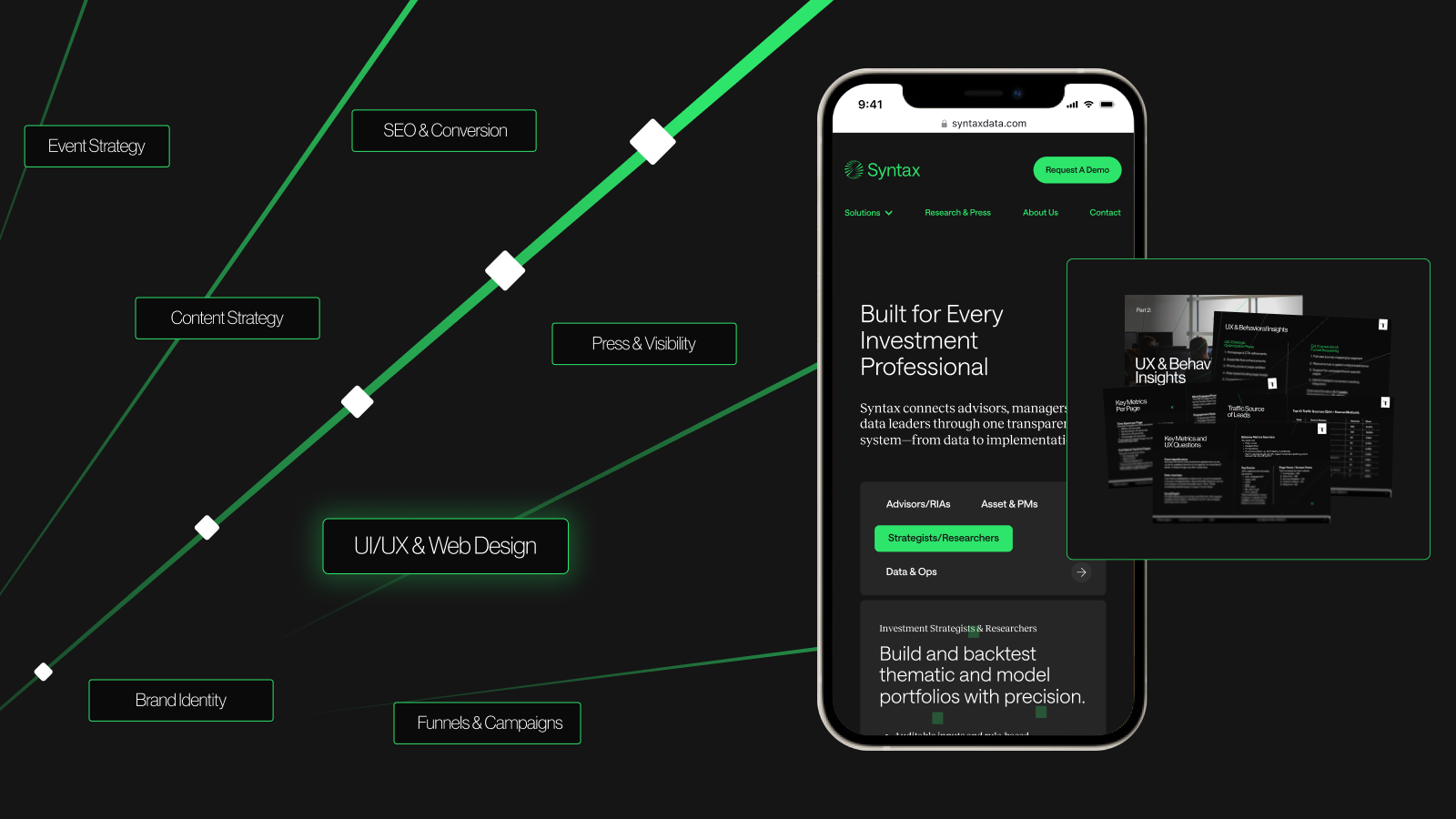
Strategic Clarity
Role
UX Lead & Strategic Account Lead
Industry
B2B Data & Intelligence Platform
Engagement
Brand, Marketing, UX & Website Audit
Timeline
~75 days, Spring/Summer 2025
3 min overview / 8-10 min with details
Overview
SyntaxData had a strong technical foundation and polished digital presence, but growing questions around clarity, positioning, and prioritization. Multiple enterprise audiences evaluated the product through different lenses, and leadership needed confidence that existing messaging and structure communicated value before investing further.
I led UX and digital strategy across this audit engagement, serving as the strategic through-line connecting brand, website, research, and go-to-market considerations. The goal was not redesign for its own sake, but validation: identify where clarity broke down and de-risk future investment.
The engagement transformed ambiguity into actionable direction, giving leadership a prioritized roadmap they could confidently act on.
My Role
- Strategic direction Defined audit scope and ensured insights translated into strategic choices
- UX & website leadership Led heuristic evaluation, IA assessment, and clarity review across key pages
- Research & validation Designed qualitative testing and synthesized findings into actionable patterns
- Cross-functional coordination Unified brand, content, SEO, and leadership inputs into coherent narrative
Outcomes
- Sharper positioning direction for leadership
- Reduced risk around future website and marketing decisions
- Shared understanding of priorities across teams
- UX elevated from execution to strategic decision-making tool
- Prioritized roadmap leadership could confidently act on
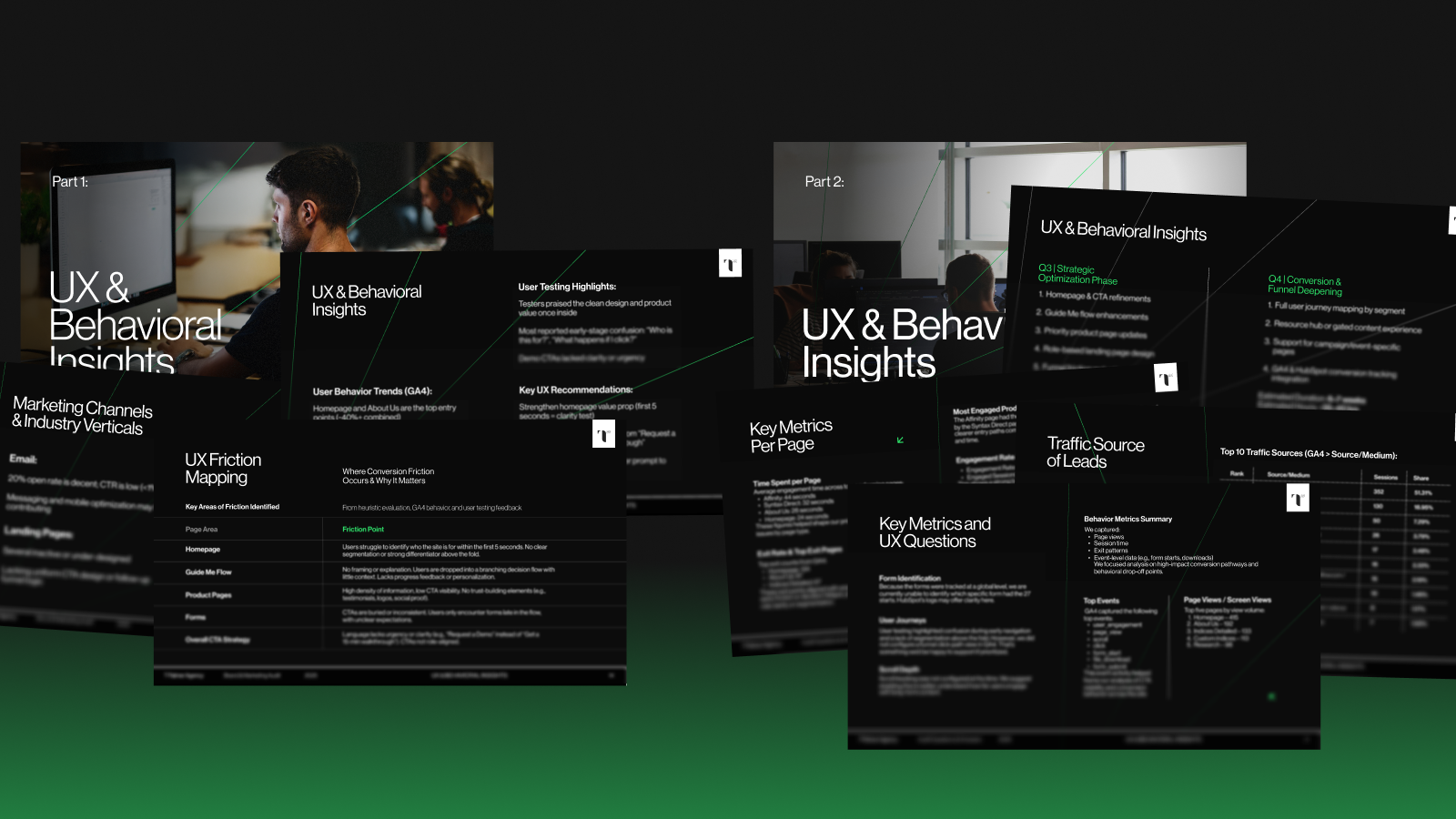
Reflection
This work reflects my approach to UX as a strategic discipline: integrating user insight, brand context, and business goals to guide confident decision-making in complex, ambiguous environments.
Details
Audit Pillars & Scope
The engagement spanned several strategic pillars rather than a single deliverable.
Brand & Positioning
Evaluated how clearly the platform's value was communicated. Assessed tone, confidence, and differentiation across key pages. Identified areas where messaging assumed too much prior knowledge.
Website UX & Structure
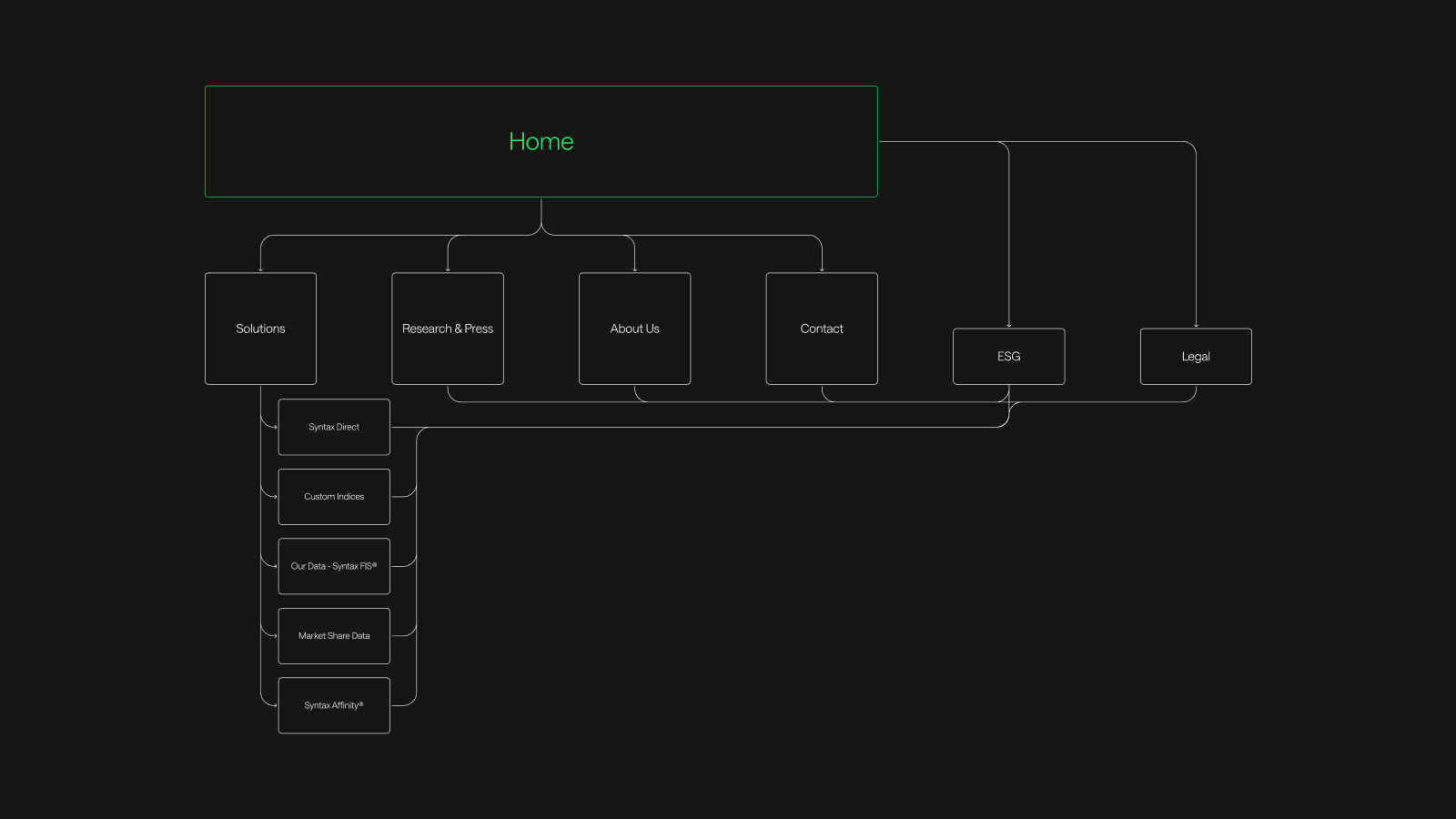
Conducted a heuristic evaluation focused on usability and clarity. Reviewed navigation logic and content grouping. Assessed solution pages for scannability and comprehension.
Content & Messaging Alignment
Evaluated how content supported user understanding and trust. Identified gaps between user questions and available information.
Conversion & Engagement Paths
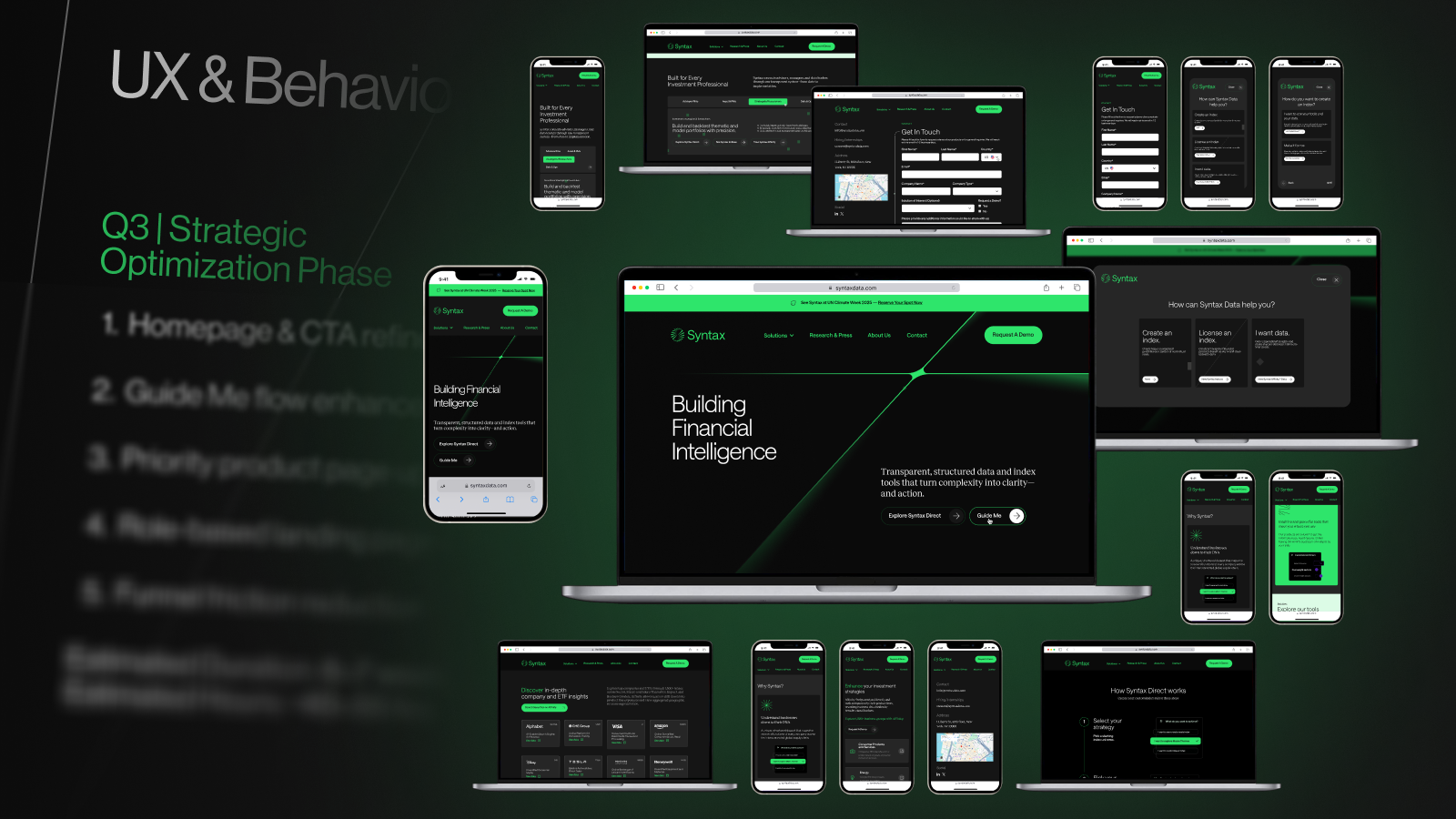
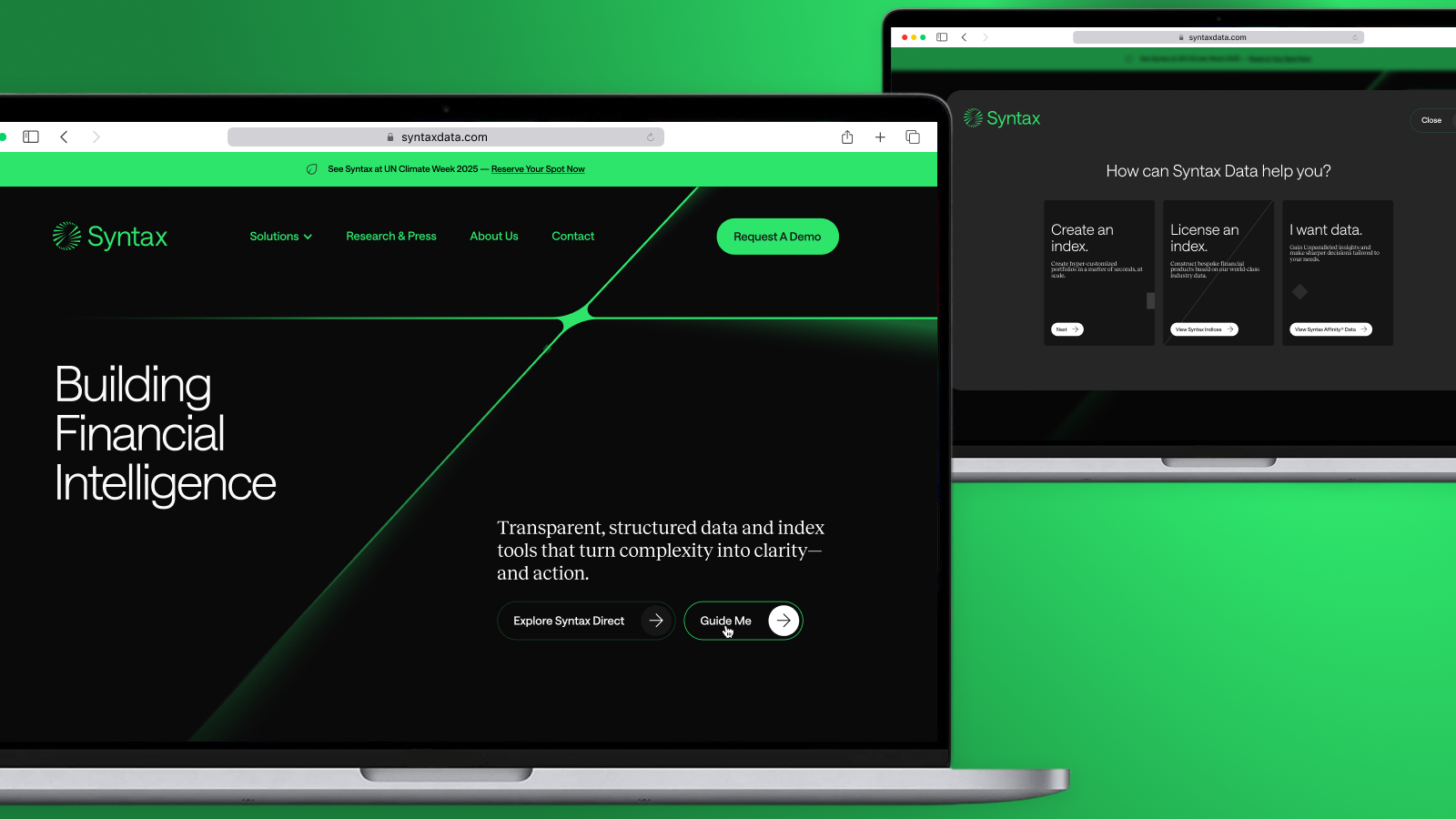
Reviewed CTA placement, hierarchy, and intent. Assessed whether engagement options matched user readiness. Identified opportunities for lower-friction interaction points.
Methods & Evaluation
Heuristic Evaluation
Assessed navigation, information architecture, and page hierarchy. Evaluated homepage and solution pages for clarity, comprehension, and intent. Reviewed CTA logic and user pathways to understand engagement readiness.
Qualitative Research
Designed and ran qualitative user testing. Synthesized feedback across multiple participants and perspectives. Identified patterns related to clarity, trust, transparency, and perceived fit. Validated internal assumptions while surfacing new considerations.
Research Synthesis
Translated qualitative findings into actionable insights. Distinguished signal from noise across feedback. Connected user insight back to brand and UX decisions.
Constraints & Operating Context
The engagement required navigating several constraints:
- A site already visually strong, limiting superficial critique
- Multiple contributors without a single centralized owner
- Need to balance depth with a fixed audit timeline
- Pressure to avoid premature execution before alignment
The approach emphasized disciplined evaluation: understanding what not to change as much as what to evolve next.
Artifacts & Deliverables